There’s a moment that happens quietly for a lot of homeowners. You pull into the driveway after work, glance at the house you’ve seen a thousand times, and suddenly notice it looks… worn out. Not broken exactly. Just tired.
Maybe the paint has faded more than you realized. Maybe the roofline doesn’t look quite right anymore. Or maybe the whole exterior feels stuck in another decade while everything inside your life has moved forward.
Homes age slowly, which is probably why people don’t always notice changes right away. But over time, weather, sunlight, moisture, and everyday wear begin leaving their fingerprints everywhere. And eventually, the outside of a house starts asking for attention.
Also worth reading
The interesting thing is that improving a home’s exterior rarely ends up being only about appearance. It changes how the house feels to live in. It affects comfort, energy efficiency, confidence, and honestly, even mood.
Why the Exterior of a Home Affects More Than Curb Appeal
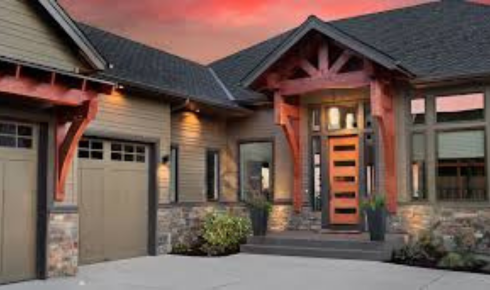
People love talking about curb appeal because it’s the obvious part. A clean, updated exterior definitely makes a home more attractive. But the deeper value goes beyond looks.
Good exterior remodeling improves the relationship between a house and the people living inside it. That sounds dramatic, maybe, but it’s true.
When siding is damaged, insulation struggles. When old trim allows moisture in, indoor air quality can suffer over time. Drafts near windows make rooms uncomfortable. Suddenly the issue isn’t cosmetic anymore — it’s part of everyday life.
I remember visiting a family member after they renovated the outside of their older home. The changes weren’t flashy. Neutral colors. Better insulation. Updated trim and lighting. But the entire house felt calmer somehow. Quieter. Warmer in winter. Cooler during summer afternoons.
Even the way they talked about their home changed afterward. They seemed proud of it again.
That’s one of the underrated effects of caring for a property. You stop seeing it as a collection of repairs and start feeling connected to it again.
The Roof Usually Knows Before You Do
Roofs are funny that way. They can hide problems for years before homeowners realize anything’s wrong.
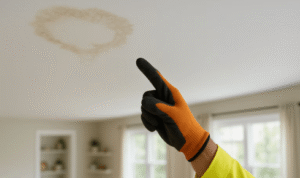
A missing shingle doesn’t always create an immediate leak. Minor water damage can slowly spread through attic spaces without obvious warning signs. By the time stains appear on ceilings, the issue has often been developing quietly for a while.
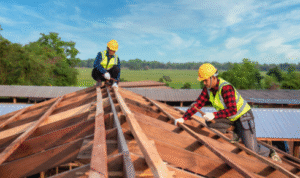
That’s why putting off a roof replacement can become more expensive than people expect. It’s rarely just about the roof itself. Once moisture gets into structural materials, repair costs start multiplying fast.
Still, many homeowners delay roofing work because it feels overwhelming. And honestly, it kind of is. Roofing projects are expensive, noisy, inconvenient, and impossible to ignore once they begin.
But there’s also a strange relief after it’s done.
A neighbor near me replaced their aging roof last year after months of hesitation. A few weeks later, during a heavy thunderstorm, they mentioned sleeping better than they had in years because they weren’t worrying about leaks anymore.
That stuck with me because home maintenance is often really about peace of mind. Not glamour. Not trends. Just feeling secure inside your own space.
Choosing the Right Improvements Matters More Than Following Trends
One thing I’ve noticed lately is how easy it is for homeowners to feel pressured by design trends online. Social media makes it seem like every house should suddenly have black trim, modern farmhouse lighting, or ultra-minimalist exteriors.
But homes aren’t fashion accessories.
The best improvements usually match the character of the property instead of fighting against it. A hundred-year-old home doesn’t need to look futuristic to feel refreshed. Sometimes preserving charm while improving durability creates the best results.
Reliable roofing services often help homeowners think practically instead of emotionally during renovations. Good contractors don’t just sell products — they explain lifespan, weather resistance, ventilation, and long-term maintenance in ways that actually help people make smart decisions.
And honestly, trust matters a lot in this industry.
Most homeowners aren’t climbing onto their roofs inspecting flashing or measuring drainage angles themselves. They’re relying on professionals to guide major financial decisions. That relationship only works when communication feels honest and grounded.
The contractors people recommend most enthusiastically are usually the ones who explained things clearly instead of overselling everything.
A Home Doesn’t Need to Be Perfect to Feel Valuable
There’s something comforting about houses that look lived in. Not neglected — just real.
A slightly weathered porch. Mature landscaping. Small imperfections that tell you people actually exist there instead of staging the place for a magazine shoot.
The goal of improving a home shouldn’t be chasing perfection. That target moves constantly anyway. Trends fade. Colors change. Design opinions shift every few years.
But durability never goes out of style.
A strong roof, proper insulation, good drainage, and thoughtfully maintained exterior materials create something far more valuable than trendy aesthetics alone. They create stability.
And maybe that’s why exterior projects matter emotionally in ways people don’t always expect. They’re not just investments in property value. They’re investments in comfort, security, and daily life.
At the end of the day, a house should feel dependable. It should handle storms well, stay comfortable through changing seasons, and quietly support the people inside it without demanding constant worry.
When the outside of a home is cared for properly, you feel that difference every single day — even if you can’t always explain exactly why.