You don’t always notice water until it starts causing problems. That’s probably why so many homeowners ignore the signs for years — the chalky residue around faucets, the dry skin after showers, the strange taste in morning coffee, or the appliances that seem to wear out faster than they should. Life gets busy, and honestly, most people assume it’s normal.
But once water quality improves, the difference feels surprisingly personal.
The shower feels softer. Clothes last longer. Ice cubes stop tasting odd. Even simple things like washing dishes become less frustrating. Clean water changes everyday routines in ways people rarely expect until they experience it themselves.
Also worth reading
Lately, more homeowners have started paying closer attention to what’s actually running through their pipes. Not out of fear exactly, but because comfort, health, and long-term home maintenance matter. And water touches all three.
Hard Water Has a Way of Sneaking Into Everything
One of the most common household issues is hard water. It’s not usually dangerous, which is partly why it often goes untreated for so long. But it can quietly create a long list of annoyances throughout a home.
Soap doesn’t lather properly. Towels feel stiff after washing. Glassware develops cloudy spots no matter how carefully it’s cleaned. Water heaters lose efficiency over time because minerals build up inside them little by little.
That’s where modern water softeners have become a practical solution for many families. Instead of constantly fighting mineral residue around sinks and showers, homeowners can reduce hardness before it spreads through the plumbing system.
And honestly, people often underestimate how much hard water affects daily comfort. Skin can feel less irritated. Hair becomes easier to manage. Appliances tend to run more efficiently. It’s one of those upgrades that sounds small on paper but feels noticeable almost immediately.
Drinking Water Shouldn’t Feel Like a Question Mark
There’s also the issue of drinking water itself. Municipal systems do a lot to keep public water safe, but many homeowners still dislike the taste or worry about contaminants that can remain after treatment.
Chlorine flavor, sediment, heavy metals, and other impurities are concerns that push many families to look for additional filtration at home. Bottled water used to feel like the easiest solution, but over time it becomes expensive, inconvenient, and honestly a little wasteful.
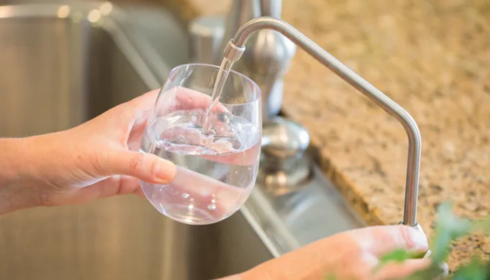
That’s why systems built around reverse osmosis drinking water have become increasingly common in kitchens. Reverse osmosis technology filters water through a specialized membrane that removes many unwanted particles and contaminants, leaving cleaner, fresher-tasting water behind.
What surprises people most is often the taste difference. Coffee tastes smoother. Tea feels cleaner somehow. Even cooking changes slightly because water plays a bigger role in flavor than most people realize.
And there’s a peace of mind factor too. Families like knowing they have an extra layer of filtration between their household and whatever may be traveling through aging pipes or local infrastructure.
Water Quality Is Bigger Than Just the Kitchen Sink
Sometimes homeowners focus only on drinking water and forget that water flows through the entire house. Showers, laundry machines, dishwashers, faucets, water heaters — they all depend on the same supply.
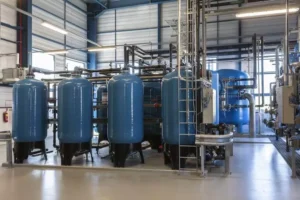
That’s why some families eventually move toward whole house water treatment systems rather than treating individual faucets separately. Instead of improving water at just one point of use, these systems address water quality throughout the entire home.
For households dealing with strong odors, sediment, chlorine, iron, or hard water, a whole-home setup often feels more complete. It creates consistency. The water in the bathroom feels as clean as the water in the kitchen.
And honestly, that consistency matters more than people think. Guests notice softer towels. Laundry feels fresher. Plumbing fixtures stay cleaner longer. Even pet water bowls stop collecting that strange mineral ring around the edges.
It’s not about luxury as much as daily ease.
Technology Has Made Home Systems Less Intimidating
Years ago, water treatment systems had a reputation for being bulky, expensive, and difficult to maintain. Some homeowners still imagine noisy machines tucked awkwardly into garages or basements.
But modern systems are very different from those older setups.
Many are now compact, energy efficient, and surprisingly low maintenance. Some even include smart monitoring features that alert homeowners when filters need replacing or systems require servicing. Installation has become more flexible too, which helps homes with limited space.
That shift matters because people want practical solutions, not complicated projects they’ll regret later. Homeowners today are less interested in flashy promises and more focused on reliability.
They want systems that quietly improve daily life without demanding constant attention.
Maintenance Still Matters More Than Marketing
No matter how advanced a filtration system becomes, maintenance still plays a huge role in long-term performance. Filters eventually wear out. Softening systems need occasional checks. Reverse osmosis membranes don’t last forever.
And this is where some homeowners get caught off guard.
A neglected system can lose effectiveness gradually, which means people may not realize their water quality is slipping until problems return. Routine servicing keeps everything functioning the way it should.
The good news is that most modern systems are easier to maintain than people expect. Many homeowners quickly settle into simple replacement schedules without much hassle at all.
Better Water Changes the Feeling of a Home
There’s something oddly comforting about knowing your water is clean, balanced, and reliable. It removes little daily frustrations that people often stop noticing until they disappear.
You stop scrubbing stubborn residue off faucets. Your coffee tastes better without trying. Showers feel more refreshing instead of drying. Appliances last longer. Small routines become smoother.
And maybe that’s why water quality feels more important lately. Homeowners aren’t chasing perfection. They simply want their homes to feel healthier, more comfortable, and easier to live in.
Funny enough, water does a lot of that work quietly in the background.