Water is easy to take for granted. It’s there when you brush your teeth, brew your morning coffee, rinse fresh vegetables, or start a load of laundry. Because it’s always available, most of us assume it’s doing exactly what it should. But when the quality of your water isn’t quite right, small inconveniences begin stacking up in ways that aren’t always obvious.
Maybe your shower leaves your skin feeling unusually dry. Maybe your dishes come out with cloudy spots even after a full wash cycle. Perhaps your water has a faint smell that you can’t quite identify, or your appliances don’t seem to last as long as expected. These little frustrations often share one common source—your home’s water.
Improving water quality isn’t just about making drinking water taste better. It’s about protecting your home, making everyday routines more enjoyable, and creating a healthier environment for everyone who lives there.
Also worth reading
Water Quality Is Different From One Home to the Next
One of the biggest misconceptions is that every house receives the same quality of water. In reality, that’s rarely true.
Two neighboring homes can experience completely different water conditions depending on plumbing materials, local infrastructure, groundwater composition, and even the age of the pipes supplying the property.
City water often contains chlorine or disinfectants that help keep it safe during distribution. Well water, on the other hand, may contain naturally occurring minerals, iron, sulfur, manganese, or sediment that require different solutions altogether.
That’s why understanding your home’s specific water profile is always more valuable than guessing.
Hard Water Can Quietly Affect Your Entire Home
Hard water doesn’t usually announce itself with dramatic problems. Instead, it creates gradual wear that homeowners often mistake for normal aging.
Minerals slowly accumulate inside pipes, water heaters, coffee makers, and washing machines. Faucets develop stubborn white residue. Soap becomes harder to rinse away, and detergents lose some of their effectiveness.
Over months and years, those small effects become expensive repairs or premature appliance replacements.
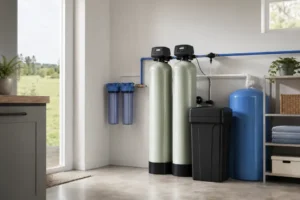
For homes dealing with excessive mineral content, water softening systems provide an effective way to reduce scale buildup while improving the overall performance of plumbing fixtures and household appliances. Many families also notice softer laundry, shinier dishes, and smoother-feeling skin after installation.
It’s one of those upgrades that quietly improves dozens of everyday experiences without demanding attention.
Taste and Odor Matter More Than We Think
When people don’t enjoy the taste of their tap water, they naturally begin avoiding it.
Instead of filling reusable bottles, they buy bottled water. Coffee and tea lose some of their flavor, cooking becomes less enjoyable, and staying hydrated feels more like a chore than a habit.
In many homes, unpleasant tastes or odors aren’t caused by dangerous contaminants at all. They’re simply the result of chlorine, organic compounds, or naturally occurring substances interacting with the water.
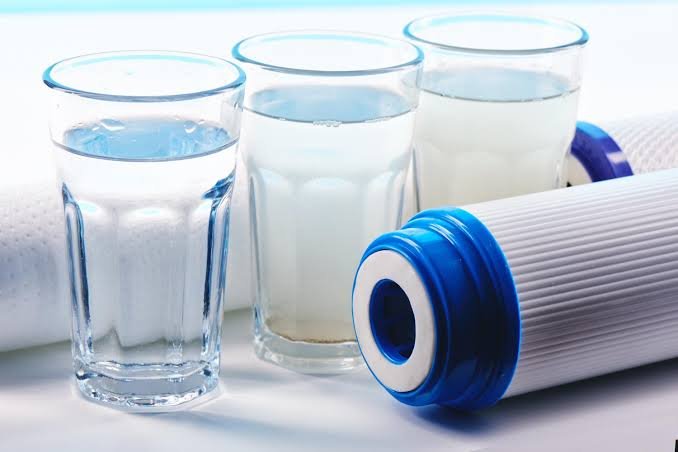
That’s where activated carbon filtration often becomes an excellent solution. Carbon filters are widely known for reducing chlorine taste and odor while helping improve the freshness of drinking water. The difference is subtle but meaningful. Water simply tastes cleaner, making healthy hydration feel effortless.
Sometimes the smallest improvements end up changing daily routines the most.
Well Water Brings Its Own Unique Challenges
Living with a private well offers independence, but it also comes with responsibility.
Unlike municipal water supplies, private wells aren’t continuously monitored by local utilities. Homeowners are responsible for testing water regularly and maintaining any treatment equipment their property requires.
Depending on location, well water may contain sediment, iron, sulfur, tannins, hardness minerals, or naturally occurring bacteria. Some wells remain remarkably clean for decades, while others need ongoing attention to maintain consistent quality.
Because every well is different, well water treatment should always begin with proper testing rather than assumptions. The results help identify exactly what’s present so homeowners can choose solutions based on facts instead of guesswork.
That personalized approach usually leads to better long-term results and avoids unnecessary equipment purchases.
Water Quality Influences More Than Drinking Water
When most people hear the phrase “clean water,” they immediately picture a glass sitting on the kitchen table.
But drinking accounts for only a small percentage of household water use.
Think about everything else water does throughout the day. It washes clothes, cleans dishes, fills bathtubs, cooks pasta, rinses fruits and vegetables, waters houseplants, and powers appliances behind the scenes.
Every one of those activities benefits from balanced, cleaner water.
Shower doors stay clearer. Soap lathers more easily. Towels remain softer after washing. Plumbing fixtures require less scrubbing, and water heaters often operate more efficiently when mineral deposits are reduced.
The improvements don’t happen all at once. They simply become part of everyday life.
Prevention Is Usually Less Expensive Than Repairs
Many homeowners wait until they experience noticeable plumbing problems before investigating water quality.
Unfortunately, by that point, mineral buildup or corrosion may have already caused significant wear inside pipes and appliances.
Routine water testing and properly selected treatment systems help address issues before they become expensive emergencies.
Preventative maintenance often costs far less than replacing a damaged water heater, repairing clogged plumbing, or purchasing new appliances years earlier than expected.
Like regular vehicle maintenance, taking care of your home’s water helps avoid larger costs later.
Better Water Makes Everyday Living More Comfortable
It’s interesting how quickly people adapt to poor water quality.
After years of hard water or unpleasant tasting tap water, families begin assuming that’s simply normal. Then they experience properly treated water and suddenly realize how many little inconveniences had quietly become part of daily life.
Morning coffee tastes brighter. Fresh vegetables rinse more cleanly. Laundry feels softer. Showers become more enjoyable, and cleaning around sinks and faucets takes less effort.
None of these changes are dramatic on their own, but together they noticeably improve the comfort of living at home.
Final Thoughts
Water flows through nearly every part of your day, yet it’s one of the most overlooked features of any home.
Whether your concern is hard water, unusual tastes, unpleasant odors, or protecting your plumbing investment, understanding your water is always the best place to begin. Every property has different needs, and the right solution should reflect those differences rather than rely on one-size-fits-all recommendations.
Cleaner water isn’t just about convenience. It’s about protecting your home, improving daily routines, and creating greater confidence in something your family uses every single day.
Sometimes the biggest improvements aren’t the most visible ones. They’re the quiet upgrades that make ordinary moments just a little better—and water quality is a perfect example of exactly that.