
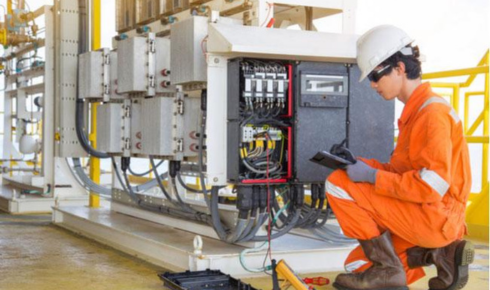
Why is it useful to ask if the building has a backup generator or only inverter support?

Date:

Share post:

Power cuts still happen in many areas. How a building handles them changes your experience a lot. A full backup generator usually keeps lifts, common lights and sometimes even inside lights and fans running (depending on setup). Inverters might only support basic lighting in common spaces or a few points in each flat.

If there’s only very limited backup, you might be climbing stairs in the dark or sweating through frequent cuts in peak summer. With a better system, interruptions feel like small blips instead of full disruptions.

So asking, “Generator backup hai? Sirf common area ya flats me bhi points milega?” gives a realistic idea of how life will be when the power goes. It’s not exciting, but it’s practical.

Related articles

 How can confirming whether children are allowed to play on the roof highlight potential safety risks?

Some societies allow kids to go up and play on the roof; others strictly prohibit it. If the...

What benefit is there in checking if lightning arresters or grounding systems exist on tall buildings?

Very tall buildings are more exposed during storms. A lightning arrester and proper grounding system safely redirect high-voltage...

 How can looking for old patchwork spots on the roof surface reveal repeated leakage issues?

Roofs with lots of different patches—some newer cement, some old sealant, some random tiles stuck in—often tell a...

Why is it important to see whether overhead pipes on the roof are properly supported and not sagging?

Overhead pipes carry water across roofs to tanks, flats or common areas. If they’re badly supported, loosely tied,...