There’s something oddly ordinary about bad drinking water. People complain about it for a week, then quietly get used to it. The office water tastes flat. The kitchen tap has a faint chlorine smell. Someone keeps buying plastic bottles because “it’s just easier.” And before long, cases of water are stacked in corners, empty bottles fill bins, and nobody really questions the routine anymore.
But water should not be a daily compromise. Whether it’s for a workplace, gym, school, clinic, or busy family home, clean and reliable drinking water makes a real difference. Not in a flashy way, maybe, but in the kind of way people notice when it is suddenly better.
Why Bottled Water Is Not Always the Simple Answer
Also worth reading
Bottled water looks convenient at first. You buy it, chill it, drink it, repeat. But after a while, the downsides become obvious. There is storage to manage, deliveries to schedule, plastic waste to deal with, and cost that keeps coming back every month.
In workplaces, the problem gets even bigger. Someone has to lift heavy bottles, track supplies, replace empty containers, and clean around the cooler. If the delivery is late, everyone knows about it. If bottles run out during a busy day, the “simple” solution suddenly doesn’t feel simple at all.
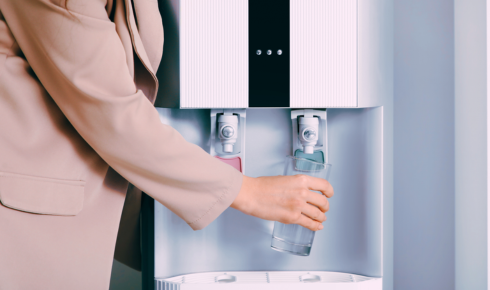
That is why many offices and commercial spaces are moving toward bottleless water coolers. Instead of relying on delivered jugs, these units connect directly to the building’s water supply and filter water as needed. It feels cleaner, more modern, and, honestly, much less annoying.
The Real Value of Better Drinking Water
Good drinking water is not just about avoiding bad taste. It affects how often people drink water, how coffee and tea taste, and how confident everyone feels about what they’re putting in their glass. If water smells odd or tastes metallic, people naturally reach for soda, bottled drinks, or nothing at all.
That’s a small habit, but it matters over time. Better water encourages better hydration because it is easy and pleasant to drink. In an office, that can mean fewer plastic bottles on desks and fewer complaints in the break room. At home, it can mean kids actually choosing water without being reminded five times.
What Makes a Filtered Cooler Different
A filtered cooler is not just a regular cooler without the bottle. The better systems usually include built-in filtration that reduces unwanted taste, odour, chlorine, sediment, and other common water concerns. Depending on the model, some may offer cold water, hot water, ambient water, or even sparkling options.
The real benefit is consistency. Water is available when people need it, without waiting for replacement bottles or worrying about running out. It also reduces the physical handling of heavy jugs, which is a relief for staff, especially in busy workplaces where the cooler gets used all day.
This kind of setup supports practical water quality improvement without turning the process into a big project. Once installed and maintained properly, it simply works in the background.
A Better Fit for Offices and Shared Spaces
In offices, shared water areas can become messy quickly. Empty bottles, half-used cups, delivery invoices, and storage problems all pile up. A bottleless cooler helps remove much of that clutter. It keeps the water station cleaner and makes the break room look more organised.
It can also support a company’s sustainability goals. Reducing single-use plastic and cutting down on water delivery transport may seem like small steps, but for businesses using large amounts of bottled water, the difference can be meaningful.
Employees may not say much about the water when it’s good. That’s usually the point. It should be there, taste fresh, and not require a whole conversation every week.
Homes Can Benefit Too
Although these systems are popular in commercial spaces, homes can benefit as well. Large families, home offices, and people who regularly buy bottled water often like the convenience of having filtered water available all day. No more carrying heavy packs from the store. No more finding space in the fridge for plastic bottles. No more wondering who forgot to buy water.
For households that drink a lot of water, a plumbed-in cooler or dedicated drinking water setup can be surprisingly practical. It creates one reliable place for filling bottles, making tea, preparing baby formula, or grabbing cold water after a workout.
Choosing the Right System
Not every property needs the same equipment. A small office may only need a compact filtered cooler. A larger workplace may require multiple units across different floors. A home may need a neat kitchen-friendly option. Some locations may also need more advanced filtration depending on the water supply.
Good drinking water systems should be chosen based on usage, water quality, available space, maintenance needs, and the number of people using them daily. A system that works beautifully for a ten-person office may not be enough for a warehouse, school, or medical practice.
This is where a proper assessment helps. Looking at water test results, flow rate, installation space, and daily demand prevents problems later. It also avoids overspending on features nobody needs.
Maintenance Still Matters
Even the best water cooler needs regular care. Filters should be changed on schedule, sanitisation should not be ignored, and the unit should be checked from time to time. Clean water depends on both good equipment and good maintenance.
That said, maintenance is usually easier than managing bottled deliveries. With the right provider, filter changes and servicing can be planned ahead, so the system keeps working without staff needing to think about it constantly.
A Small Change That Feels Bigger Over Time
Switching away from bottled water may seem like a minor upgrade, but the benefits build up. Less plastic waste. Fewer deliveries. Better taste. Lower storage needs. No heavy lifting. A cleaner, more reliable drinking water station.
For homes and businesses alike, that kind of improvement is worth considering. Water is used every single day, so even a small upgrade touches daily life again and again.
Good drinking water should be easy. It should be fresh, accessible, and dependable. When the right system is in place, people stop thinking about bottles, deliveries, and strange tap-water taste. They just fill their glass and get on with the day.