
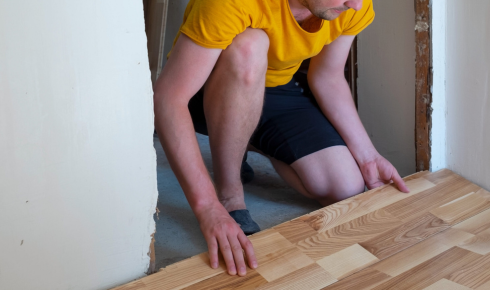
Why is it helpful to think about noise when selecting hard floors in flats with neighbours below?

Date:

Share post:

Hard floors—stone, tiles, some laminates—bounce sound. Footsteps, dropped toys, moving chairs, even high heels can become surprisingly loud, especially to the flat underneath. If you have active kids or like moving furniture often, your downstairs neighbour may become your permanent critic.

Thinking about this early might push you to choose slightly softer options in bedrooms, or plan rugs in noisy zones like corridors and living rooms. Some underlays can also reduce sound transmission.

You get to enjoy the look you want while being a decent neighbour who doesn’t turn their ceiling into a drum.


Related articles

 How can confirming whether children are allowed to play on the roof highlight potential safety risks?

Some societies allow kids to go up and play on the roof; others strictly prohibit it. If the...

What benefit is there in checking if lightning arresters or grounding systems exist on tall buildings?

Very tall buildings are more exposed during storms. A lightning arrester and proper grounding system safely redirect high-voltage...

 How can looking for old patchwork spots on the roof surface reveal repeated leakage issues?

Roofs with lots of different patches—some newer cement, some old sealant, some random tiles stuck in—often tell a...

Why is it important to see whether overhead pipes on the roof are properly supported and not sagging?

Overhead pipes carry water across roofs to tanks, flats or common areas. If they’re badly supported, loosely tied,...