Modern buildings are becoming increasingly sophisticated. From high-rise residential towers and commercial office complexes to hotels, healthcare facilities, and mixed-use developments, today’s structures are expected to deliver greater efficiency, reliability, and sustainability than ever before.
While smart lighting, automation systems, and energy management technologies often receive significant attention, another critical area is undergoing a transformation behind the scenes: pumping technology.
Smart pumping systems are redefining how buildings manage water supply, wastewater transport, drainage, and facility operations. By combining advanced engineering with intelligent controls, these technologies are helping property owners and facility managers improve efficiency, reduce maintenance requirements, and enhance overall building performance.
Also worth reading
The Evolution of Building Services
Building services have traditionally relied on mechanical systems designed to perform specific functions with limited monitoring or automation capabilities.
However, modern infrastructure demands more than basic functionality. Today’s buildings require systems that can adapt to changing conditions, optimize resource usage, and provide reliable performance over extended periods.
This shift has accelerated the adoption of intelligent pumping solutions that offer greater control, operational visibility, and energy efficiency compared to conventional systems.
What Makes a Pumping System “Smart”?
Smart pumping technologies go beyond simply moving water or wastewater from one location to another.
These systems often incorporate:
- Automated control mechanisms
- Real-time performance monitoring
- Advanced motor technology
- Intelligent fault detection
- Energy optimization features
- Remote monitoring capabilities
By continuously monitoring operating conditions, smart pumps can respond to changing demands and help prevent potential issues before they become major problems.
Improving Energy Efficiency
Energy consumption remains one of the biggest operational concerns for building owners and facility managers.
Traditional pumping systems often operate at fixed speeds regardless of actual demand, leading to unnecessary energy use. Smart pumping technologies can adjust performance based on system requirements, helping reduce power consumption while maintaining effective operation.
This not only lowers operating costs but also supports broader sustainability objectives that are becoming increasingly important in modern construction.
Enhancing Reliability Through Intelligent Monitoring
Unexpected equipment failures can lead to costly disruptions, particularly in commercial buildings where uninterrupted operation is essential.
Smart pumping systems help address this challenge through continuous monitoring and diagnostics. By tracking performance data and identifying irregular operating conditions, these systems allow maintenance teams to take corrective action before failures occur.
This proactive approach reduces downtime, extends equipment lifespan, and improves overall system reliability.
Supporting Complex Building Infrastructure
Modern buildings often contain multiple water and wastewater systems operating simultaneously. These may include:
- Domestic water supply systems
- Wastewater management systems
- Drainage infrastructure
- HVAC condensate removal systems
- Commercial kitchen wastewater systems
Managing these interconnected systems requires pumping technologies capable of handling varying demands while maintaining consistent performance.
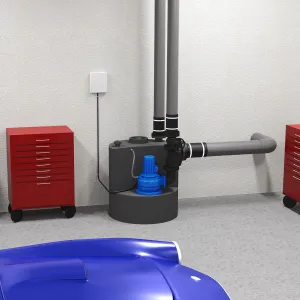
Advanced wastewater lifting solutions such as the Sanicubic 1 SC demonstrate how modern pumping technologies can support complex infrastructure requirements in commercial and institutional environments. These systems are designed to manage wastewater efficiently while contributing to the reliability of broader building services.
Enabling Smarter Wastewater Management
Wastewater management has become increasingly important as buildings grow larger and more complex.
Traditional drainage systems often face challenges related to elevation differences, space constraints, and changing building layouts. Smart pumping technologies help overcome these limitations by enabling efficient wastewater transport regardless of installation conditions.
In demanding commercial applications, solutions such as the Sanicubic 1 GR provide dependable wastewater handling capabilities while supporting the operational requirements of modern facilities. Their ability to manage wastewater efficiently makes them an important part of contemporary building infrastructure.
The Role of Data in Modern Pumping Systems
One of the most significant advancements in pumping technology is the growing use of data-driven decision-making.
Modern systems can provide valuable operational insights, including:
- Pump performance metrics
- Energy consumption trends
- Maintenance requirements
- System efficiency indicators
- Operational alerts
This information allows facility managers to optimize system performance, improve maintenance planning, and make more informed operational decisions.
As smart building technologies continue to evolve, the integration of pumping systems with broader building management platforms is becoming increasingly common.
The Role of SFA India in Advancing Pumping Technology
As building requirements continue to evolve, SFA India provides innovative pumping and wastewater management solutions designed to support modern infrastructure needs.
From compact wastewater pumps and lifting stations to advanced commercial pumping systems, SFA solutions help address the challenges associated with efficient water and wastewater transport. By combining performance, reliability, and installation flexibility, these technologies support a wide range of residential, commercial, and institutional applications.
As the demand for smarter building services grows, advanced pumping technologies will continue to play a critical role in ensuring efficient and reliable facility operations.
Looking Ahead
The future of building services is increasingly connected, automated, and data-driven. Smart pumping technologies are becoming an essential part of this transformation, helping buildings operate more efficiently while reducing costs and improving reliability.
As developers, architects, and facility managers seek new ways to optimize building performance, intelligent pumping solutions will continue to support innovation across the construction and infrastructure sectors.
By embracing advanced pumping technologies, modern buildings can better meet the demands of sustainability, operational efficiency, and long-term resilience—ensuring that critical water and wastewater systems remain reliable for years to come.