There’s nothing more frustrating than adjusting your thermostat over and over, only to find that your home still feels too warm in the summer or too chilly during the winter. When your HVAC system seems to be running but never reaches the temperature you’ve set, it’s often a sign that something isn’t working as efficiently as it should. While the problem may seem minor at first, ignoring it can lead to higher energy bills, reduced comfort, and unnecessary wear on your heating and cooling equipment.
If you’re experiencing ongoing comfort issues, consulting an experienced HVAC company Loganville, GA can help identify the cause before it develops into a more expensive repair. In many cases, a professional inspection can uncover simple issues that are preventing your system from performing at its best.
Is Your Thermostat Causing the Problem?
Also worth reading
Before assuming your HVAC system is failing, it’s worth checking the thermostat. This small device controls when your heating and cooling equipment turns on and off, so even a minor issue can affect your home’s comfort.
Sometimes the thermostat is simply set incorrectly, while in other cases it may need new batteries or recalibration. Its location also matters. If it’s installed near a sunny window, a kitchen, or another heat source, it may detect a temperature that’s different from the rest of your home.
A properly functioning thermostat gives your HVAC system accurate information, helping it maintain a more consistent indoor temperature.
Could Poor Airflow Be the Reason?
Good airflow is essential for keeping every room comfortable. When airflow becomes restricted, your HVAC system has to work much harder to distribute heated or cooled air throughout your home.
One of the most common causes is a dirty air filter. As dust and debris build up, less air can pass through the system. Blocked vents, closed interior doors, or furniture placed in front of supply registers can also reduce airflow.
Improving airflow is often one of the easiest ways to restore comfort while reducing unnecessary strain on your HVAC system.
Does Your Home Have Air Leaks?
Even an efficient HVAC system can struggle if conditioned air is escaping from your home. Small gaps around windows, doors, attic spaces, and other openings allow warm or cool air to leak outside while outdoor air enters.
These leaks make it more difficult for your HVAC system to maintain the desired temperature. As a result, the equipment runs longer and consumes more energy without delivering better comfort.
Sealing air leaks and improving insulation can help your heating and cooling system operate more efficiently while making indoor temperatures more consistent throughout the year.
Is Your HVAC System Receiving Regular Maintenance?
Like any major household equipment, an HVAC system performs best when it’s maintained on a regular basis. Dust buildup, worn components, and minor mechanical issues can gradually reduce efficiency without causing an immediate breakdown.
Routine maintenance allows technicians to inspect important parts, clean critical components, and identify developing problems before they become costly repairs. Keeping the system in good condition helps it heat and cool your home more effectively while extending its overall lifespan.
Skipping maintenance may save time in the short term, but it often leads to reduced performance over the long run.
Signs That Something Needs Attention
If your home consistently struggles to reach the desired temperature, look for other warning signs that may point to an HVAC issue.
- The system runs almost continuously without reaching the thermostat setting.
- Some rooms feel much warmer or cooler than others.
- Airflow from the vents seems weaker than normal.
- Utility bills have increased without a significant change in usage.
- The system makes unusual noises while operating.
- Indoor humidity feels higher than usual during warm weather.
Experiencing one or more of these issues doesn’t always mean you’ll need a major repair, but they do indicate that your HVAC system should be inspected.
Could Your HVAC System Be Too Old?
Even well-maintained heating and cooling systems become less efficient as they age. Over time, normal wear affects motors, fans, compressors, and other essential components. The result is longer run times, higher energy consumption, and reduced comfort.
Older systems may also struggle to keep up with changing household needs. If you’ve added living space, replaced windows, or made other home improvements over the years, your original HVAC system may no longer be the ideal size for your home.
A professional evaluation can determine whether repairs will restore performance or whether replacing aging equipment would be a more practical long-term solution.
Why Professional Diagnosis Matters
Many comfort issues have similar symptoms but completely different causes. For example, uneven temperatures could result from dirty filters, ductwork problems, thermostat issues, low refrigerant, or aging equipment.
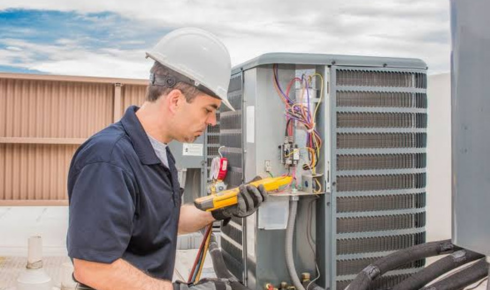
Trying to guess the problem may lead to unnecessary expenses or temporary fixes that don’t solve the underlying issue. A qualified HVAC technician has the tools and experience to identify the actual cause and recommend the most effective solution.
Addressing problems early often prevents larger repairs while helping your system operate more efficiently throughout every season.
Conclusion
If your home never seems to reach the temperature you’ve selected, don’t assume it’s something you’ll simply have to live with. Problems such as poor airflow, thermostat issues, air leaks, lack of maintenance, and aging equipment can all prevent your HVAC system from keeping your home comfortable.
Taking action early can improve indoor comfort, reduce energy costs, and extend the life of your heating and cooling system. Whether the solution is a simple maintenance service or a more detailed repair, identifying the cause of the problem is the first step toward creating a home that stays comfortable all year long.