
A Well-Designed Home Changes the Way You Feel Every Day
There’s something special about walking into a home that simply feels right. It isn’t always the biggest house or the most expensive one. Sometimes it’s a modest space where everything works naturally, sunlight falls in the right places, and every room seems to invite you to stay a little longer.
That feeling rarely happens by accident.
Good interior design goes beyond selecting furniture or choosing paint colors. It shapes how people move through a home, how they relax after a busy day, how families gather together, and even how productive they feel while working from home. A thoughtfully designed space quietly improves everyday life without constantly demanding attention.
The best interiors aren’t created to impress strangers. They’re created to make life easier for the people who live there.
Every Home Has Its Own Story
No two homes are exactly alike, and neither are the people who live in them.
A young couple furnishing their first house has completely different priorities than a growing family with children. Someone working remotely needs dedicated office space, while retirees may focus on comfort, accessibility, and entertaining friends.
Because lifestyles vary so much, successful design begins with understanding people before choosing finishes or layouts.
A beautiful room that doesn’t fit everyday habits eventually becomes frustrating, no matter how stylish it looks.
Design works best when it starts with real life.
Beauty Means Little Without Practicality
We’ve all seen gorgeous interiors online that seem almost too perfect to touch.
They photograph beautifully, but would they actually work during a busy weekday morning?
Probably not.
The most successful homes balance appearance with practicality by creating functional living spaces that support everyday routines. Storage belongs where it’s actually needed. Walkways should feel natural. Kitchens need efficient workflow. Living rooms should encourage conversation rather than simply showcasing furniture.
When a home functions well, everything else becomes easier.
That’s something homeowners appreciate long after decorating trends have changed.
Good Design Starts with Listening
One of the biggest misconceptions about interior design is that designers simply tell homeowners what looks fashionable.
In reality, experienced professionals spend much more time listening than people often expect.
They ask questions.
How do you spend weekends?
Where does your family naturally gather?
Which rooms feel uncomfortable?
What frustrates you about your current layout?
Those conversations shape the entire personalized design process, ensuring every recommendation reflects the homeowner’s routines, preferences, and future goals rather than someone else’s idea of style.
Great design begins with understanding people, not products.
Small Changes Can Transform a Room
Many homeowners believe meaningful design always requires major renovations.
Sometimes that’s true.
But surprisingly often, relatively modest improvements create dramatic results.
Better lighting makes rooms feel larger.
Rearranged furniture improves flow.
Built-in storage reduces clutter.
New window treatments enhance natural light.
A carefully selected color palette changes the atmosphere almost instantly.
It’s remarkable how small adjustments, when thoughtfully planned, can completely change how a room feels without rebuilding it from scratch.
Design isn’t always about doing more.
Sometimes it’s about choosing better.
Trends Come and Go, Comfort Stays
Every year introduces new colors, furniture styles, and decorating trends.
Some become classics.
Many quietly disappear.
That’s why experienced designers rarely encourage homeowners to chase every passing fashion. Instead, they focus on timeless interior design built around balanced proportions, natural materials, comfortable layouts, and thoughtful details that remain appealing year after year.
Trendy accessories can always be updated later.
The underlying design should continue feeling comfortable long after social media moves on to something new.
Timeless spaces age gracefully because they prioritize lasting comfort over temporary popularity.
Natural Light Is Often the Best Design Feature
If there’s one element capable of transforming almost any room, it’s natural light.
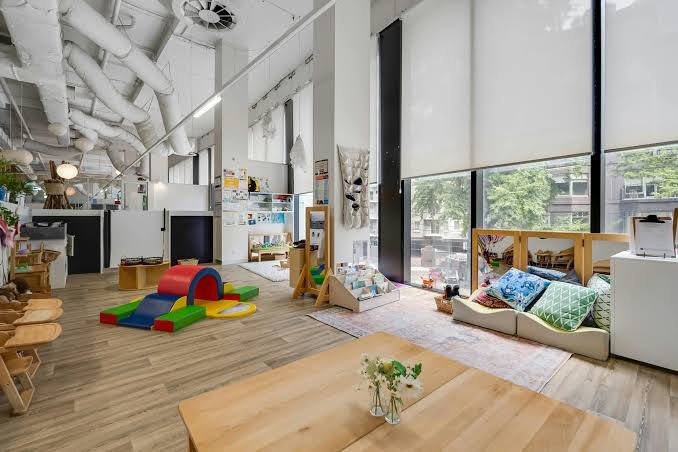
Bright interiors feel more open, welcoming, and energetic. Carefully positioned windows, lighter finishes, mirrors, and thoughtful layouts all help maximize available daylight while creating a stronger connection between indoor and outdoor spaces.
Natural light also changes throughout the day, giving rooms subtle personality that artificial lighting simply can’t replicate.
Sometimes improving a home’s atmosphere has less to do with adding new features and more to do with revealing what’s already there.
A Home Should Reflect the People Living Inside
One reason professionally designed homes feel different is that they don’t look copied from a catalog.
Instead, they reflect the personalities, interests, and daily habits of the homeowners.
Favorite artwork.
Meaningful travel souvenirs.
Family heirlooms.
Books collected over decades.
Comfortable furniture chosen for real living rather than staged photographs.
These personal touches create warmth that no trend can replace.
Beautiful homes aren’t defined by perfection.
They’re defined by authenticity.
Planning Saves Time, Money, and Stress
Excitement often begins with choosing fabrics, flooring, or paint colors.
Yet the real success of an interior design project usually depends on careful planning long before purchases begin.
Establishing priorities, creating realistic budgets, measuring spaces accurately, coordinating materials, and anticipating future needs all contribute to smoother projects and fewer expensive mistakes.
Thoughtful planning also gives homeowners confidence when making decisions.
Instead of reacting impulsively, they understand how each choice fits into the larger vision.
That clarity makes the entire experience far more enjoyable.
Great Design Quietly Improves Everyday Life
One of the most interesting things about good interior design is that its biggest successes often go unnoticed.
You simply enjoy preparing meals in a kitchen that works effortlessly.
You relax more comfortably in a living room designed around conversation.
Morning routines become easier because storage finally makes sense.
Working from home feels more productive.
Guests naturally feel welcome.
None of these improvements announce themselves loudly.
They simply become part of everyday life.
A Thoughtfully Designed Home Is Always Worth the Investment
Interior design isn’t about creating magazine-worthy photographs or impressing visitors with expensive finishes. At its heart, it’s about improving how people experience their homes every single day.
A well-designed home supports family life, encourages relaxation, simplifies daily routines, and creates spaces that continue serving homeowners through changing seasons of life. Whether the project involves one room or an entire house, thoughtful design adds value that extends far beyond appearance alone.
When beauty and functionality come together naturally, the result feels effortless. Rooms become easier to live in, more enjoyable to spend time in, and better suited to the people who call them home.
And perhaps that’s the true measure of great design. It doesn’t simply change how a house looks—it changes how living there feels.