Water is something most of us take for granted until the tap runs dry, the shower pressure drops, or an unpleasant smell starts coming from the kitchen faucet. Suddenly, a resource we barely think about becomes the center of daily life. For homeowners, landlords, and business owners alike, having access to clean, reliable water isn’t just a convenience. It affects health, comfort, productivity, and the long-term condition of a property.
Across the world, changing weather patterns, aging plumbing systems, rising demand, and inconsistent water quality are making everyday water management more complicated. The good news? Many of these challenges can be addressed with the right information, suitable technology, and a little forward planning.
Why Water Quality Deserves More Attention
Not all water problems are easy to spot. Sometimes the signs are obvious, such as cloudy water, visible sediment, or a strange taste. In other cases, water may look perfectly clear while containing dissolved minerals, unwanted chemicals, or microorganisms that require proper testing to identify.
Also worth reading
Hard water is a common example. It contains elevated levels of calcium and magnesium, which can leave white deposits on faucets, reduce the efficiency of water heaters, and make soap less effective. Over time, mineral buildup may contribute to maintenance issues and shorten the useful life of certain appliances.
Other concerns include excessive iron, unpleasant odors, corrosion from plumbing materials, and contamination from environmental sources. The exact risks depend on where the water comes from and how it’s treated before reaching the property.
Understanding these water issues starts with identifying the cause rather than guessing. A basic water test can reveal useful information about hardness, pH, and other relevant parameters. If contamination is suspected, a certified laboratory can test for specific substances that routine home testing might miss.
That distinction matters. Buying a filter because a neighbor recommended it may solve the wrong problem entirely.
Choosing the Right Water Treatment for Your Home
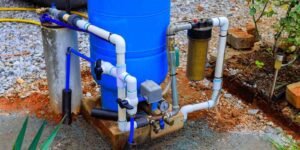
Every household uses water differently. A small apartment with municipal water has different needs from a large house that depends on a private borewell. That’s why there’s no single treatment system that works perfectly for everyone.
For many households, a sediment filter is a sensible starting point when sand, rust particles, or other suspended material are present. Activated carbon filters can help reduce chlorine taste and odor, depending on the product’s design and certification. Reverse osmosis systems may be appropriate when testing identifies dissolved contaminants that the chosen system is designed to remove.
However, more treatment isn’t always better. Reverse osmosis, for instance, produces reject water and requires regular maintenance. Installing one without understanding the incoming water quality can mean unnecessary expense and water waste.
Practical residential water solutions begin with three simple questions: What is in the water? How much water does the household use? And what outcome is actually needed?
A family dealing with hard water throughout the house might benefit from a properly sized water softener, while someone concerned about drinking water may need a point-of-use filter. These systems serve different purposes, and confusing them can lead to disappointing results.
It’s also worth checking product certifications, replacement-filter costs, installation requirements, and maintenance schedules before making a purchase. A low initial price can become less attractive if replacement cartridges are expensive or difficult to find.
The Hidden Cost of Leaks and Wasted Water
Water waste doesn’t always look dramatic. A dripping tap may seem harmless, and a toilet that runs occasionally might not appear urgent. Yet small leaks can waste a surprising amount of water over time, particularly when several fixtures have problems at once.
The financial impact isn’t limited to the water bill. Persistent leaks can damage cabinets, flooring, walls, and foundations. Damp areas may encourage mold growth, creating another problem that costs time and money to address.
A quick inspection every few months can make a difference. Check visible pipes beneath sinks, look for unexplained damp patches, and listen for toilets that continue running after flushing. If the water meter moves while all fixtures are switched off, there may be a leak somewhere in the system.
Modern leak detectors offer another layer of protection. Some provide an alert when moisture is detected, while more advanced devices can automatically shut off the water supply. They’re particularly useful in properties that remain empty for extended periods.
Simple habits matter, too. Running washing machines with full loads, repairing faulty fixtures promptly, and choosing water-efficient showerheads can reduce consumption without making everyday life uncomfortable.
Better Water Management for Commercial Properties
Businesses often have water requirements that go well beyond drinking, cleaning, and restroom facilities. Hotels, restaurants, manufacturing units, hospitals, offices, and educational institutions may depend on water for sanitation, cooling, food preparation, equipment operation, or specialized processes.
For these organizations, water management is closely connected to operating costs and business continuity. A sudden supply interruption can disrupt services, delay production, or create hygiene concerns. Poorly maintained treatment equipment can cause similar problems.
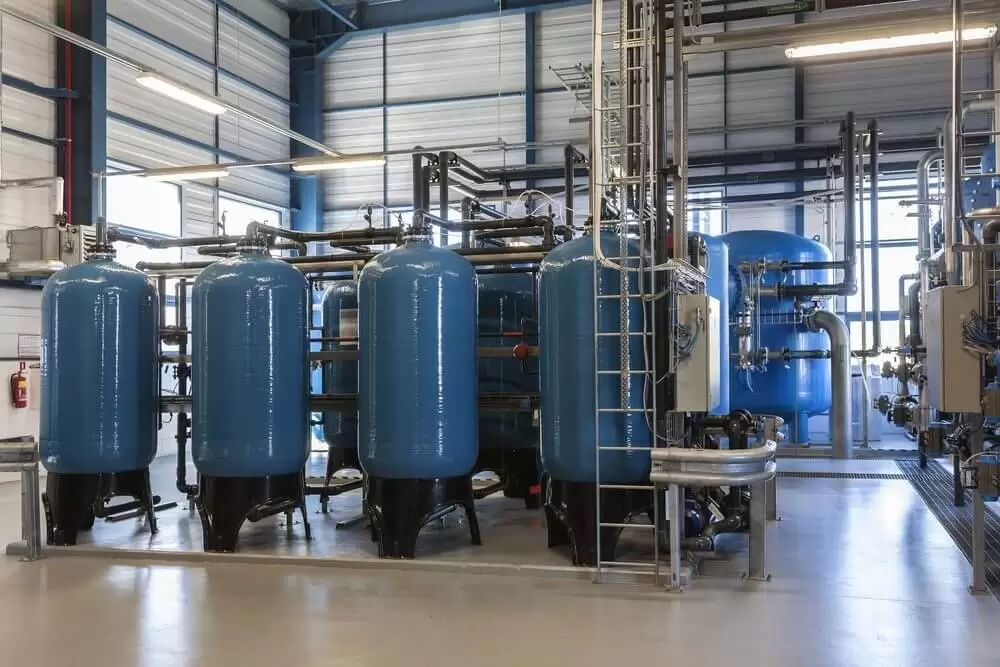
Effective commercial water solutions therefore need to account for usage volume, peak demand, water chemistry, regulatory requirements, and the consequences of equipment failure. A treatment system suitable for a small office won’t necessarily meet the demands of a hotel or industrial facility.
Commercial properties may benefit from centralized filtration, appropriately sized softening equipment, reverse osmosis for specific applications, or ultraviolet disinfection where suitable. The right combination depends on the incoming water quality and the intended use.
Regular monitoring is just as important as installation. Maintenance teams should keep records of water tests, filter changes, equipment servicing, and unusual consumption patterns. These records help identify gradual performance changes before they become expensive emergencies.
Water reuse can also offer opportunities. Properly treated greywater from suitable sources may be reused for landscaping or toilet flushing where local regulations and system design permit. Rainwater harvesting can supplement non-potable water needs, although collection systems require appropriate storage, filtration, and maintenance.
Technology Is Changing the Way We Use Water
Water management is becoming smarter, thanks to sensors, automated controls, and digital monitoring tools. Instead of relying entirely on periodic inspections, property managers can track consumption patterns and receive alerts when something unusual occurs.
Smart meters, for example, can help identify sudden increases in usage that might indicate a leak. Automated controllers can adjust irrigation schedules based on weather conditions or soil moisture. In larger facilities, monitoring systems can provide valuable insight into treatment performance and equipment efficiency.
Still, technology works best when paired with sound maintenance practices. An advanced monitoring system won’t solve a plumbing problem if nobody responds to its warnings. Likewise, automated treatment equipment needs regular inspection to remain reliable.
The goal isn’t to install the most sophisticated equipment available. It’s to use technology where it solves a real problem, reduces waste, or makes water quality easier to manage.
Building a More Reliable Water Future
Reliable water access depends on more than a filter beneath the kitchen sink. It involves understanding local water conditions, maintaining plumbing infrastructure, choosing appropriate treatment methods, and using water responsibly.
For homeowners, the first step might be testing the supply and repairing a persistent leak. For a business, it could mean reviewing consumption data, scheduling preventive maintenance, or evaluating whether water reuse is practical.
Neither approach needs to happen all at once. Small, well-informed improvements often deliver meaningful benefits over time.
Water may be an everyday necessity, but managing it well requires attention. By identifying problems early, investing in suitable solutions, and avoiding unnecessary waste, households and businesses can protect their property, control operating costs, and make better use of a resource everyone depends on.
In the end, the smartest water strategy isn’t necessarily the most expensive one. It’s the one that addresses the actual problem, works reliably, and continues to serve people well long after installation.