Water is one of those things most people take for granted until something starts to feel wrong. Maybe the water tastes a little strange, soap refuses to lather properly, or cloudy spots keep appearing on glasses after every wash. Sometimes the signs are subtle, while other times they’re hard to ignore. Whatever the problem looks like, the quality of water flowing through a home or business can affect everyday comfort, cleaning routines, plumbing, and even the taste of a simple glass of drinking water.
The good news is that water problems can often be addressed once their cause is understood. Rather than choosing a system based on guesswork, it makes sense to look at the water itself, identify what needs attention, and select a solution that fits the property.
Understanding What Is in Your Water
Not all water problems are the same. Some supplies contain minerals that cause hardness, while others may have sediment, unpleasant odors, or dissolved substances that affect taste. Private wells can present different challenges from municipal supplies, and water quality may even vary between nearby properties.
Also worth reading
This is why testing matters. A stain on a sink might suggest iron, but appearance alone cannot confirm what’s actually present. Similarly, an unusual taste doesn’t automatically mean water is unsafe to drink. Testing helps separate cosmetic concerns from issues that deserve more attention.
A reliable water filtration solution can address specific impurities when the system is selected according to test results. Depending on the water source and the concern, this might involve sediment filtration, carbon filtration, or another treatment method. Each option serves a different purpose, so understanding the problem first can prevent unnecessary spending.
Cleaner, Better-Tasting Water for Everyday Use
Most people notice water quality when they drink it, make coffee, prepare meals, or fill a reusable bottle. An unpleasant odor or lingering taste can turn an ordinary daily habit into something less enjoyable. Even when water looks perfectly clear, dissolved substances can influence how it tastes.
A suitable drinking water system can make a meaningful difference. Carbon filters, for example, can reduce certain compounds responsible for chlorine taste and odor. Other systems are designed to address particular dissolved contaminants, depending on their technology and certification.
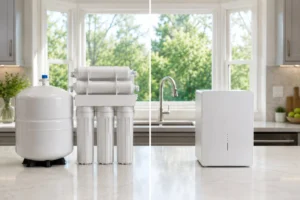
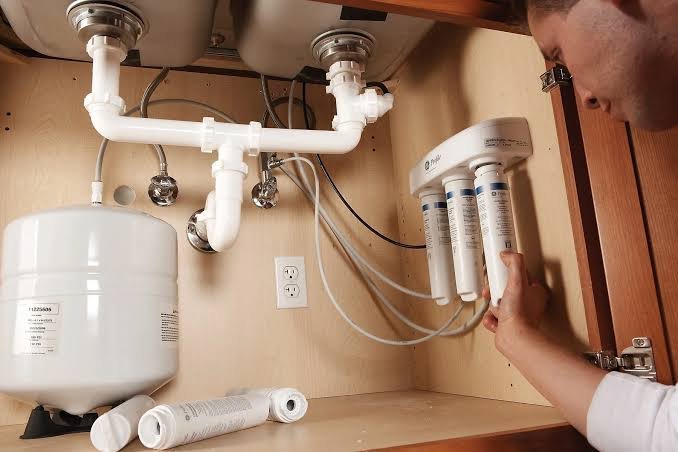
For households that want an additional level of treatment at the kitchen tap, reverse osmosis drinking water systems may be worth considering. These systems push water through a semipermeable membrane that reduces many dissolved substances. Depending on the model, additional filtration stages may improve taste and help protect the membrane.
Still, reverse osmosis isn’t automatically the right answer for every property. It can produce wastewater, requires periodic filter and membrane replacement, and may remove minerals that some people prefer to retain. The best choice depends on the results of a water test, the household’s needs, and the system’s ongoing costs.
The Difference Hard Water Can Make
Hard water is a common source of frustration in homes. It contains elevated levels of minerals, mainly calcium and magnesium. These minerals aren’t usually a health concern at typical drinking-water concentrations, but they can create practical problems throughout the property.
You might notice chalky deposits around faucets, white marks on shower doors, or stiff towels that never seem quite clean. Soap may leave residue on skin and bathroom surfaces, while scale can gradually build up inside water heaters and certain appliances.
These issues can be more than a cosmetic nuisance. Mineral buildup can reduce heating efficiency in some equipment and increase cleaning or maintenance demands. Over time, the extra work becomes part of the household routine, even though it doesn’t have to be.
Making Hard Water Easier to Manage
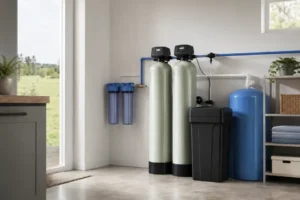
Water softeners are designed to reduce hardness minerals, commonly through an ion-exchange process. In a conventional system, calcium and magnesium are exchanged for sodium or potassium ions. The unit periodically regenerates its resin using a salt-based solution, which means it needs the right maintenance and settings to work well.
For properties with persistent hardness, whole-home water softening can help address the issue at multiple taps and fixtures rather than treating just one sink. People often notice less scale on showerheads, easier cleaning, and better soap performance. Appliances that use water may also benefit from reduced mineral deposits, although results depend on the water chemistry and how the equipment is maintained.
Softening is not the same as removing every contaminant. A softener is primarily intended to address hardness, so it should not be treated as a complete drinking-water purification system. If a property also has concerns about sediment, iron, bacteria, or other contaminants, additional treatment may be needed.
Choosing a System That Fits Your Property
It’s tempting to compare systems by price alone, especially when several products promise clearer water or fewer household headaches. But the cheapest option may not address the actual problem, and a more advanced system can be unnecessary if the water needs only basic treatment.
Start by considering the source of the water, the size of the household, and the problems you want to solve. A small drinking-water filter may suit someone who mainly wants better-tasting water at the kitchen sink. A larger property with significant hardness may need a properly sized softener. Homes relying on private wells may require a more detailed assessment because groundwater quality can vary considerably.
Maintenance deserves a place in the decision, too. Filters need replacement, softeners need appropriate salt or regenerant, and treatment systems should be checked according to the manufacturer’s instructions. Ask about replacement parts, expected operating costs, installation requirements, and the availability of service when something goes wrong.
A trustworthy provider should explain what a proposed system can and cannot do. Be cautious of broad promises that one device will solve every possible water problem. Effective treatment starts with evidence, not pressure to buy the most expensive equipment.
Keeping Water Quality on Track
Installing a treatment system is an important step, but it isn’t the end of the process. Water conditions can change, equipment wears over time, and filters eventually reach the point where they no longer perform as intended. Following a maintenance schedule helps keep the system working as designed.
For private wells, regular testing is especially important. The appropriate testing schedule depends on local guidance and the potential risks associated with the water source. A system that once performed well should not be assumed to provide permanent protection without checks.
It’s also worth paying attention to changes in taste, smell, color, or plumbing performance. These signs don’t always indicate a serious problem, but they can signal that something deserves investigation.
A Practical Investment in Everyday Comfort
Better water doesn’t necessarily require a complicated setup. Sometimes the answer is a simple filter; in other cases, a softener or a combination of treatment technologies makes more sense. What matters is matching the equipment to the water rather than buying features that sound impressive but solve the wrong problem.
When you understand what’s in your water, you can make a more confident decision about what to change. The result may be better-tasting drinking water, less time spent scrubbing mineral deposits, or greater confidence in how your plumbing and appliances are being cared for.
In the end, the best water treatment system is one that quietly does its job, fits your household’s needs, and remains practical to maintain. It should make daily life a little easier, without adding unnecessary complexity.