
There’s something oddly comforting about turning on the kitchen tap without thinking twice. We expect clean, safe water to be there whenever we need it—for drinking, cooking, washing vegetables, filling a pet’s bowl, or making that first cup of coffee in the morning. But water isn’t the same everywhere, and what looks perfectly clear can still carry minerals or contaminants that affect its taste, quality, and even the lifespan of your plumbing.
Many homeowners only start paying attention after they notice a problem. Maybe the dishes come out of the dishwasher with cloudy spots. Perhaps the shower leaves your skin feeling dry, or the water has an unusual smell after heavy rain. Small changes like these often tell a bigger story, and understanding that story is the first step toward improving the water you use every day.
Every Home Has a Different Water Story
One thing people often overlook is that water quality varies from neighborhood to neighborhood. Even homes just a few streets apart can experience different mineral levels depending on local infrastructure, groundwater conditions, or municipal treatment methods.
Also worth reading
That’s why copying someone else’s solution rarely works. A filtration system that performs perfectly in one home may solve only part of the problem somewhere else. Water isn’t a one-size-fits-all situation, and treating it that way can lead to unnecessary expenses or disappointing results.
Sometimes the issue isn’t visible at all. Hard minerals, chlorine, sediment, or naturally occurring elements can quietly affect appliances and fixtures over time without creating an obvious warning sign.
Why water testing Should Always Come First
Before investing in any treatment system, it’s worth taking a closer look at what’s actually in your water. Professional reverse osmosis provides valuable information about mineral content, hardness, pH balance, chlorine levels, and other possible contaminants.
Think of it like visiting a doctor before taking medication. You wouldn’t guess what treatment you need without knowing the cause of the problem first. Water works much the same way.
Testing helps homeowners avoid spending money on equipment they don’t need while ensuring that any chosen solution addresses the real issue instead of masking symptoms.
In many cases, the results surprise people. Water that tastes perfectly fine may contain excessive hardness, while unpleasant odors may come from harmless minerals rather than dangerous contamination. Knowing the difference makes decision-making much easier.
Hard Water Can Be More Expensive Than You Think
Hard water isn’t usually considered dangerous, but it can quietly become one of the most expensive water-related problems inside a home.
Mineral deposits slowly build up inside pipes, water heaters, coffee machines, washing machines, and dishwashers. Heating elements become less efficient, appliances work harder, and energy bills gradually increase. None of this happens overnight, which makes it easy to ignore until repair costs start adding up.
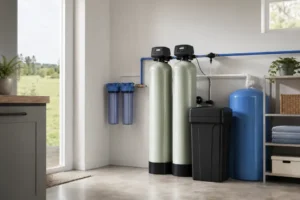
Installing a quality water softener can significantly reduce these mineral deposits by removing calcium and magnesium before they circulate through your plumbing system.
Many homeowners notice softer towels, cleaner dishes, brighter laundry, and easier bathroom cleaning within just a short period. Soap also rinses away more effectively, meaning you often use less detergent and shampoo than before.
It may seem like a small improvement at first, but over several years, protecting expensive appliances often offsets much of the installation cost.
Clean Drinking Water Is About More Than Taste
Ask ten people what clean water should taste like, and you’ll probably get ten different answers.
Some prefer completely neutral water, while others don’t mind a slight mineral flavor. Taste, however, isn’t always the best indicator of quality. Certain contaminants have no noticeable taste or smell at all.
This is one reason homeowners frequently choose water testing systems for drinking water. These systems are designed to remove many dissolved solids and impurities that standard filters may leave behind.
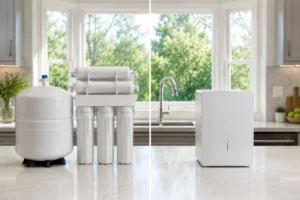
For families preparing baby formula, cooking meals daily, or simply wanting better-tasting water, an under-sink reverse osmosis system often becomes one of the most appreciated upgrades in the kitchen.
Many people even discover they drink more water simply because they enjoy the taste.
Looking Beyond the Equipment
Buying the newest or most expensive filtration system doesn’t automatically guarantee better results.
Proper sizing matters.
Installation quality matters.
Regular maintenance definitely matters.
Even the best equipment requires occasional filter replacements or routine servicing to continue performing as intended. Skipping maintenance can reduce efficiency and shorten the lifespan of the system.
A trustworthy professional will usually spend more time asking questions than recommending products right away. They’ll want to understand your home’s water source, daily usage, family size, and the concerns you’re trying to solve before suggesting any particular solution.
That approach often leads to better long-term results than simply choosing the most popular system online.
Small Changes Can Make Everyday Life Better
Water touches nearly every part of daily living, yet it’s easy to overlook until something feels off.
Better water can mean brighter clothing after laundry, cleaner glassware, healthier-looking hair, fewer plumbing repairs, improved coffee flavor, and less time scrubbing stubborn mineral stains from sinks and shower doors.
Individually, these improvements may seem minor.
Together, they create a noticeable difference in how a home feels and functions.
It’s one of those upgrades that quietly improves everyday routines without demanding constant attention afterward.
Investing in Water Is Really Investing in Your Home
Home improvement projects usually focus on things we can see—new flooring, fresh paint, updated kitchens, or beautiful landscaping.
Water quality rarely receives the same attention, even though it affects nearly every room in the house.
Taking time to understand your water before choosing a treatment solution helps protect plumbing, extend appliance life, improve drinking water, and create a more comfortable living environment for everyone under your roof.
The process doesn’t have to be complicated. Start with understanding what’s flowing through your pipes, ask thoughtful questions, and choose solutions based on facts rather than assumptions.
In the end, better water isn’t just about technology or equipment. It’s about making everyday life a little healthier, a little easier, and a lot more enjoyable—one glass, one shower, and one household routine at a time.