Most people don’t wake up thinking about their water. You turn on the tap, fill the kettle, rinse a coffee mug, maybe run the washing machine, and that’s that. Water is just part of the background of daily life. It’s only when something feels off — spots on glasses, a strange smell, dry skin, orange stains in the sink — that you start wondering what’s really going on.
And honestly, that’s usually how water problems introduce themselves. Not with a dramatic warning sign, but with small, irritating clues. A shower that leaves your hair feeling dull. Laundry that never feels quite soft. Tea that tastes slightly different than it used to. These things are easy to ignore, especially when life is already busy enough, but they can say a lot about what’s flowing through your home.
The Everyday Signs People Often Miss
Water quality issues don’t always look scary. Sometimes the water is perfectly clear, but it still causes trouble. You may notice white crust around faucets, cloudy marks on shower doors, or soap that refuses to lather properly. Dishes might come out of the dishwasher looking like they were never fully cleaned, even after using the better detergent.
Also worth reading
These little frustrations can become part of normal life if you get used to them. You wipe the faucet again. You buy stronger cleaners. You blame the washing machine. But in many homes, the real issue starts with the water itself.
One of the most common household concerns is hard water, which contains higher amounts of minerals like calcium and magnesium. It’s not usually considered dangerous to drink, but it can be rough on plumbing, appliances, fixtures, and even your patience. Over time, mineral buildup can reduce water heater efficiency, clog showerheads, and leave surfaces looking dull no matter how often you clean.
Why Taste and Smell Matter Too
Water should be easy to drink. That sounds obvious, but plenty of families avoid their tap water because the taste feels unpleasant. Some describe it as metallic. Others notice a chemical smell, earthy taste, or faint odor that becomes more obvious in hot water.
Taste and smell don’t always mean the water is unsafe, but they are worth investigating. Your senses are often the first signal that something has changed. If water suddenly starts tasting different, or if one faucet smells different from the others, there could be a plumbing-related reason behind it.
A professional water test can help separate harmless annoyances from issues that need action. That matters because guessing rarely works well with water. You might buy a filter that improves taste but does nothing for minerals. Or you may install a softener when the main problem is actually sediment or iron.
The Problem With Stains and Discoloration
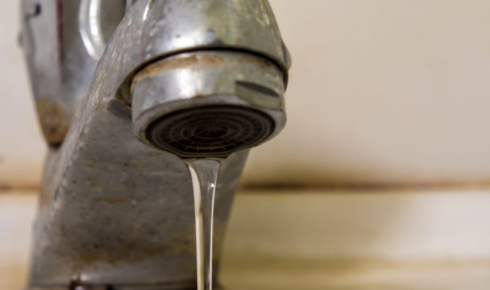
Rust-colored marks around sinks, tubs, and toilets are more than just a cleaning headache. They may point to iron in the water, especially in homes that use well water. Even small amounts can leave stains over time, and once those stains settle in, they’re not always easy to remove.
Checking iron levels can help homeowners understand whether those reddish or brownish marks are coming from the water supply. Iron can also affect the taste of drinking water, leave marks on laundry, and create buildup in plumbing fixtures. In some cases, it may also encourage certain types of bacteria that create slimy deposits inside tanks or pipes.
The frustrating part is that iron problems can look different from house to house. Some water comes out clear and only turns orange after sitting. Some has visible particles. Some simply leaves stains slowly, week after week. Testing gives you a clearer answer instead of leaving you to keep scrubbing and guessing.
City Water Isn’t Always Perfect at the Tap
Municipal water is treated before it reaches homes, and that treatment plays an important role in public safety. Still, the water that leaves a treatment facility may travel through miles of pipes before it reaches your kitchen. Older plumbing, local pipe conditions, and home fixtures can all influence what finally comes out of the faucet.
Many city water systems use disinfectants to control bacteria and other risks. That’s useful, of course, but it can also affect taste and smell. Some people notice a swimming-pool-like scent, especially during certain times of year or after treatment adjustments.
Testing chlorine levels can be helpful when water tastes sharp, smells chemical-like, or makes the home’s drinking water less enjoyable. In many cases, a suitable filtration system can improve taste and odor while still allowing the household to benefit from properly treated municipal water.
Well Water Needs Extra Attention
If your home uses a private well, water testing becomes even more important. Unlike city water, private well water is usually the homeowner’s responsibility. The quality can change due to rainfall, nearby construction, agriculture, soil conditions, aging well parts, or seasonal shifts.
Well water may contain minerals, sediment, iron, sulfur smells, bacteria, or other concerns depending on the area. Sometimes everything looks fine for years, and then slowly something changes. That’s why routine testing is not just a “nice idea.” It’s a sensible habit, like checking a roof after a storm or servicing a heating system before winter.
The key is not to panic. Most water issues can be managed once you know what they are. The trouble starts when people delay testing for years and only respond after appliances, fixtures, or plumbing have already taken a beating.
Choosing the Right Water Treatment
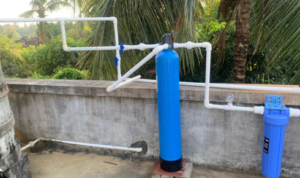
There are many water treatment options available, but the best solution depends on the actual problem. A softener may help with mineral buildup. A carbon filter may improve taste and odor. Sediment filters may protect fixtures and appliances from particles. More advanced systems may be useful for specific drinking water concerns.
But no system should be chosen blindly. Good water treatment starts with good information. A reliable provider should explain the test results in plain language, answer questions, and recommend a solution that fits the home rather than pushing the same product for everyone.
That’s especially important because water quality is personal. One family may care most about better-tasting drinking water. Another may want to protect expensive appliances. Someone else may be tired of stains, dry skin, or constant cleaning. The “right” answer depends on the home, the water, and the people living there.
A Simple Test Can Save a Lot of Guesswork
Water is easy to overlook because it’s always there. But once you understand what your water contains, everyday problems start making more sense. The cloudy glasses, the stubborn stains, the odd smell, the dry feeling after a shower — they may all be connected.
Testing doesn’t have to be complicated, and it doesn’t mean something terrible is wrong. It simply gives you a clearer picture. From there, you can decide whether a treatment system makes sense, what type would actually help, and how to protect your home over the long run.
Good water should feel simple. It should taste clean, work well with soap, protect your appliances, and make daily life easier instead of adding one more small annoyance to the list. And sometimes, the first step toward that is just paying attention to what your tap has been trying to tell you all along.