Water problems are rarely polite. They don’t usually arrive with a clear warning label. One day the shower smells a little off. The next, the toilet bowl has orange stains again, the laundry looks dull, or the kitchen tap water seems cloudy after heavy rain. Small things, yes, but they start to wear on you.
For homeowners with well water or older plumbing systems, these issues can feel especially frustrating because the cause is not always obvious. Water may look fine one week and change the next. A basic filter might help for a while, then clog quickly. And after enough guessing, people usually realise the same thing: good water treatment should be based on what is actually in the water, not just what the water seems to be doing.
Why Water Problems Need a Closer Look
Also worth reading
Every home has its own water story. Some properties deal with iron. Others struggle with sulfur smells, sediment, hardness, tannins, low pH, or a mix of several issues at once. Even homes in the same neighbourhood can have completely different water quality because underground conditions vary so much.
That is why testing matters. A proper water test gives a clearer picture of minerals, metals, bacteria concerns, pH, hardness, and other factors that may affect taste, smell, staining, and equipment performance. Without that information, choosing a treatment system can become expensive trial and error.
It is not about making water treatment complicated. It is actually the opposite. Testing helps simplify the decision.
When Iron and Sulfur Take Over Daily Life
Iron and sulfur are two of the most common complaints in private water systems. Iron often shows up as orange or reddish stains on toilets, sinks, tubs, and laundry. It can also create a metallic taste or leave water looking rusty. Sulfur is usually noticed by smell first, especially that rotten-egg odor that seems worse in hot water or after the taps have been unused for a while.
This is where specialty iron & sulfur filtration can make a real difference. These systems are designed to target problems that ordinary cartridge filters or basic softeners may not fully solve. Depending on the water chemistry, treatment may involve oxidation, filtration media, aeration, or other methods that convert dissolved contaminants into particles that can be filtered out.
The important thing is matching the system to the water. Iron can appear in different forms, and sulfur problems may come from the well, plumbing, or water heater. A solution that works beautifully in one home may be disappointing in another if the source of the issue is different.
Cloudiness, Grit, and Sediment Problems
Not all water issues are about smell or staining. Sometimes the problem is visual. The water looks hazy, dirty, or slightly cloudy. Maybe there are tiny particles in the glass. Maybe the washing machine screen clogs, the shower pressure drops, or filters need replacing far too often.
These signs often point toward sediment and turbidity reduction needs. Sediment can include sand, silt, clay, rust flakes, or other fine particles that enter the water from the well, plumbing, or distribution system. Turbidity simply refers to how cloudy or unclear the water appears because of suspended particles.
Sediment can be more than a cosmetic issue. It can wear down fixtures, clog appliances, reduce water flow, and interfere with other treatment equipment. In some cases, heavy sediment may also suggest a well construction issue or a damaged component that should be inspected.
A good sediment solution may include spin-down filters, cartridge filters, backwashing filters, or multi-stage filtration. The right choice depends on particle size, flow rate, water usage, and how much sediment is present.
Hardness and the Comfort Factor
Hard water is not always dramatic, but it is persistent. It leaves spots on dishes, scale on fixtures, crust around faucets, and buildup inside water heaters. Soap does not lather as well. Skin may feel dry after showers. Towels can feel a bit stiff. It is the kind of problem people slowly get used to until they experience better water somewhere else.
Hardness comes mostly from calcium and magnesium minerals. These minerals are natural, but they can create long-term problems for plumbing and appliances. A water softener is often the most common solution, though the system should still be sized properly for the home and tested water conditions.
For many families, reducing hardness is not just about protecting equipment. It changes daily routines in small but noticeable ways. Cleaner dishes, softer laundry, easier cleaning, and better-feeling showers all add up.
Why Whole-Home Treatment Often Makes More Sense
Some homeowners start with a small filter at one tap, usually in the kitchen. That can help with drinking water, but it does not protect the rest of the home. The water heater, washing machine, dishwasher, toilets, showers, and plumbing still receive untreated water.
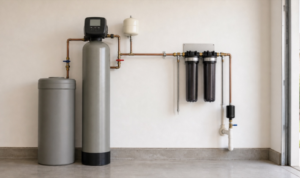
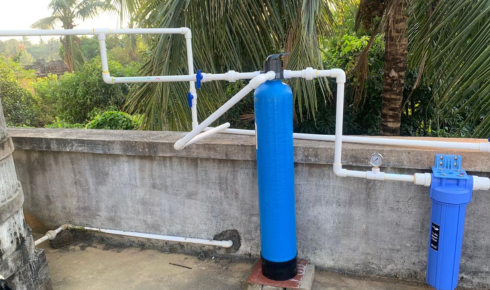
That is why whole-home filtration & conditioning is often the smarter long-term approach. Instead of treating only one faucet, the system is installed where water enters the home, helping improve water quality throughout the entire plumbing system.
A whole-home setup may combine several steps. For example, sediment filtration may come first, followed by iron or sulfur treatment, then softening or conditioning. Some homes may also need UV disinfection or drinking water reverse osmosis. The order matters because each stage protects the next one.
Done properly, whole-home treatment feels almost invisible. The water smells better, fixtures stay cleaner, appliances work more comfortably, and you stop thinking about water as a daily problem.
The Mistake of Buying Equipment Too Quickly
It is easy to understand why people buy the first filter that promises results. Nobody wants stained toilets or smelly showers. But water treatment equipment is not one-size-fits-all.
A filter designed for sediment will not fix dissolved iron. A softener may reduce some iron in mild cases, but it is not a complete iron system. Carbon can help with taste and odor, but it may not handle heavy sulfur. And if bacteria are involved, the approach changes again.
The best plan is usually simple: test first, diagnose properly, then install equipment that fits the actual problem. This can save money and prevent frustration.
Maintenance Matters Too
Even the best system needs care. Filters need changing. Media may need service. Softeners need salt. UV lamps need replacement. Backwashing systems need proper settings. If maintenance is ignored, water quality can slide backward and equipment may stop working as intended.
The good news is that most maintenance is manageable when the system is designed well. A reliable setup should not feel like a second job. It should simply become part of normal home care.
A Better Water Experience Is Possible
Good water treatment is not about chasing perfection. It is about making water dependable, comfortable, and easier to live with. No one wants to scrub the same stains every week, apologise for smelly water when guests visit, or wonder why appliances keep wearing out.
When a home’s water is tested and treated correctly, the difference is noticeable. Water looks clearer. It smells cleaner. Laundry improves. Fixtures stay nicer. The whole house just feels better cared for.
And that is really the point. Water should support daily life, not interrupt it. With the right system, your home can have water that feels clean, consistent, and quietly reliable every time you turn on the tap.