There are a few household problems we tend to blame on the wrong things. A bad shampoo. Cheap laundry detergent. Aging appliances. The weather. And, to be fair, sometimes those things really are the culprit. But in many homes, especially in areas with hard water, the quiet troublemaker is coming straight from the tap.
Hard water doesn’t always announce itself dramatically. It’s not usually brown or smelly. It looks normal, tastes normal enough, and keeps life moving. You shower with it, wash dishes with it, clean clothes with it, make tea with it, and don’t give it much thought. Then slowly, little annoyances start piling up. The glassware looks cloudy. The bathroom tiles need scrubbing again. Soap doesn’t lather the way it should. Your skin feels tight after a shower, even when you’ve used moisturiser. It’s easy to shrug it off, but water quality touches more parts of daily life than people realise.
Why Hard Water Feels So Harmless at First
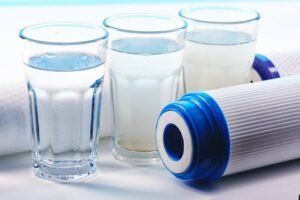
Hard water contains minerals, mainly calcium and magnesium. These minerals aren’t usually harmful to drink, which is why many homeowners don’t rush to do anything about it. The problem is more about what hard water leaves behind. Every time it runs through your pipes, appliances, showerhead, kettle, and washing machine, it can deposit mineral residue.
Also worth reading
That residue builds up gradually. A little today, a little tomorrow. Before long, taps look chalky, shower doors lose their shine, and appliances have to work harder than they should. It’s the kind of home issue that doesn’t feel urgent until it becomes expensive or just plain irritating.
And then there’s the personal side of it. Hard water can interfere with how soap and shampoo rinse away. Instead of washing cleanly off your body, soap can combine with minerals and leave a thin film behind. That’s one reason some people step out of the shower feeling less refreshed than expected.
The Skin Problem Many People Overlook
For anyone already dealing with sensitivity, hard water can make things feel worse. The mineral residue left on the skin may contribute to tightness, rough texture, or that uncomfortable “I need lotion immediately” feeling after bathing. This doesn’t mean hard water is the only cause of dry skin, of course. Weather, diet, skincare products, age, and even long hot showers all play a role. But water quality can be part of the picture, and it’s often the part no one thinks to check.
Parents sometimes notice it with children first. A child’s skin may feel irritated after bath time, or moisturisers may not seem to last. Adults notice it too, especially during winter when indoor heating is already drying everything out. The frustrating bit is that people often keep buying richer creams or gentler soaps without realising the water itself is working against them.
Softer water can make bathing feel different. Soap lathers more easily, rinses away more cleanly, and leaves less of that clingy residue behind. It’s not magic, but it can make everyday routines feel noticeably more comfortable.
What Hard Water Does to Hair
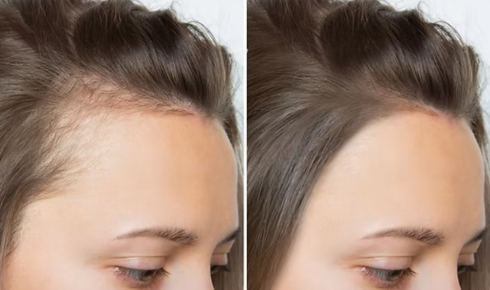
Hair is another place where hard water shows up in a sneaky way. You may use a decent shampoo, rinse carefully, and still feel like your hair never quite looks fresh. Mineral buildup can sit on the hair shaft, making it feel heavy or coated. Over time, it may affect shine, texture, and manageability.
That’s where many people start blaming products. They switch shampoos again and again, try clarifying treatments, buy conditioners with fancy labels, and still wonder why their hair feels lifeless. Hard water can be one reason behind dull hair especially when the issue seems to keep coming back no matter what product is used.
Hair washed in softer water often feels easier to rinse and style. It may feel lighter, smoother, and less weighed down. Not everyone will see a dramatic salon-advertisement transformation, and that’s okay. Real life rarely works like that. But small improvements can make mornings easier, especially for households where several people are fighting the same hair and scalp complaints.
Appliances Notice It Too, Even If You Don’t
The less glamorous side of hard water lives inside appliances. Water heaters, dishwashers, washing machines, coffee makers, and kettles all suffer when mineral scale builds up. Scale acts almost like a crust, making appliances less efficient and sometimes shortening their lifespan.
A water heater, for example, may need more energy to heat water when mineral deposits collect inside. A dishwasher may leave spots on dishes. A washing machine may need more detergent to get clothes properly clean. These are small losses at first, but over months and years, they can add up in repairs, higher utility bills, and replacement costs.
It’s one of those boring home maintenance topics that suddenly becomes interesting when the repair bill arrives.
Where Water Softeners Fit In
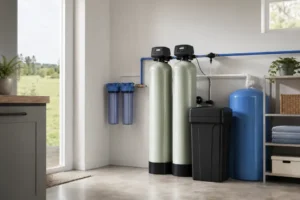
A water softening system is designed to reduce the minerals that cause hardness. Traditional systems usually use an ion exchange process, replacing calcium and magnesium with sodium or potassium ions. The result is water that behaves differently around soap, appliances, pipes, and surfaces.
For many homes, water softeners are less about luxury and more about long-term practicality. They help protect plumbing fixtures, reduce scale buildup, improve soap performance, and make cleaning less of a constant battle. In areas with very hard water, the difference can be noticeable fairly quickly.
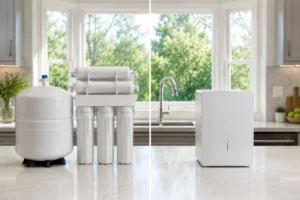
That said, choosing a system shouldn’t be random. The right option depends on water hardness levels, household size, plumbing setup, water usage, and personal preference. Some people want a whole-home system. Others may only need targeted treatment. A simple water test is usually the best place to start, because guessing rarely leads to the most cost-effective solution.
Softer Water Can Make a Home Feel Easier to Live In
The real benefit of softer water isn’t just one thing. It’s not only better showers, cleaner dishes, brighter laundry, or fewer mineral stains. It’s the way all those little improvements come together. The bathroom stays cleaner a bit longer. Soap lasts better. Towels feel nicer. Appliances aren’t struggling as much behind the scenes.
Home comfort is often built from these small, almost invisible details. You don’t always notice them when they’re working well. You definitely notice them when they aren’t.
Hard water isn’t a disaster, but it can be a drag. A slow, stubborn, chalky drag. And once you understand what it’s doing, it becomes easier to make smart choices instead of constantly treating the symptoms. Whether someone is tired of skin irritation, fed up with flat-looking hair, or just wants to protect their appliances, looking at water quality is a sensible step.
Sometimes the answer to a better-feeling home isn’t a new product on the shelf. It’s the water running through the house every single day.