
Water is one of those things we rarely stop to appreciate until something feels wrong. Maybe the shower leaves your skin feeling dry, your coffee tastes a little flat, or your dishes never seem completely spotless no matter how much rinse aid you use. These aren’t dramatic problems, but they’re often enough to make homeowners wonder what’s really flowing through their pipes.
The interesting part is that every home’s water tells a different story. Even houses just a few streets apart can have noticeably different water characteristics depending on the source, local plumbing, and naturally occurring minerals. That’s why improving water quality isn’t about buying the newest gadget on the market—it’s about understanding your water first and choosing solutions that actually fit your home.
Once you do that, the difference isn’t just noticeable at the kitchen sink. It can change how your entire house feels, functions, and even how long your appliances last.
Also worth reading
Why Water Quality Varies More Than Most People Think
Many people assume that if water is safe to drink, it’s automatically perfect for every household. In reality, that’s not always the case.
Municipal water treatment facilities focus on delivering water that meets safety regulations, but minerals, chlorine, sediment, and aging infrastructure can still affect what eventually reaches your faucet. Private wells introduce another level of variation because groundwater naturally changes from one location to another.
Some homes struggle with hard water. Others notice iron stains, sulfur odors, excessive sediment, or unpleasant tastes. These issues may not always indicate unsafe water, but they can certainly impact comfort, maintenance costs, and everyday routines.
Understanding those differences helps homeowners make smarter decisions instead of relying on guesswork.
The Small Clues Your Water Might Be Sending
Water rarely announces problems with flashing warning lights. Instead, it leaves subtle hints throughout the home.
White buildup around faucets, dull-looking laundry, soap that refuses to lather properly, cloudy drinking glasses, and shortened appliance life can all point toward underlying water quality concerns.
Some people simply adapt to these inconveniences over time, assuming they’re normal. But often, they’re signs that your home’s water could benefit from targeted improvements rather than temporary fixes.
Paying attention to these everyday clues can prevent larger plumbing problems down the road.
Every Water Issue Deserves the Right Solution
No two households experience exactly the same water conditions, which is why cookie-cutter recommendations rarely produce the best results.
Some families deal with excessive hardness. Others struggle with high iron levels, unpleasant odors, sediment, tannins, or pH imbalances. Solving one issue doesn’t necessarily address another.
Modern treatment providers often offer water problems and specialty solutions designed for very specific conditions rather than relying on generic filtration alone. That personalized approach ensures homeowners receive equipment that actually addresses the source of the problem instead of simply masking symptoms.
In many cases, proper diagnosis saves both money and frustration.
Well Water Requires Extra Attention
Living with a private well offers independence, but it also comes with additional responsibility.
Unlike municipal systems, private wells aren’t continuously monitored by local utilities. Water quality can change gradually because of seasonal rainfall, nearby construction, natural mineral deposits, or shifting groundwater conditions.
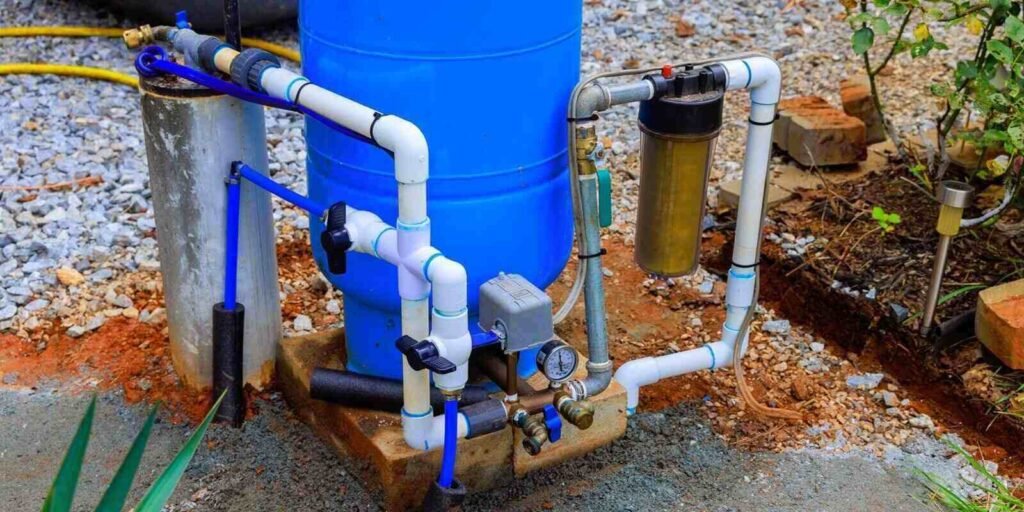
That’s why regular testing and appropriate well water treatment play such an important role in maintaining both safety and performance. Depending on the test results, homeowners may need filtration, softening, UV disinfection, iron removal, or several technologies working together.
The goal isn’t to overcomplicate things. It’s simply to make sure your water remains clean, reliable, and pleasant every day.
Better Water Protects More Than Your Plumbing
When people think about water treatment, drinking water usually comes to mind first. But improved water quality benefits nearly every part of the house.
Water heaters operate more efficiently when mineral buildup is reduced. Washing machines and dishwashers often perform better. Bathroom fixtures stay cleaner with less scrubbing, while soap and shampoo rinse more effectively during showers.
These improvements may seem small individually, yet together they create a noticeable difference in both comfort and maintenance.
Sometimes homeowners are surprised to realize that better water can actually reduce long-term household expenses by helping appliances last longer.
Knowing When It’s Time for an Upgrade
Water treatment equipment doesn’t necessarily last forever.
As families grow, water usage changes. Local water conditions may evolve over time, and newer technology often offers greater efficiency than older systems.
There comes a point when thoughtful water system upgrades simply make sense. Whether replacing aging equipment or expanding treatment capabilities, upgrading can improve reliability while lowering maintenance requirements.
Like replacing an old furnace or outdated air conditioner, investing in newer water treatment technology often provides better performance with less ongoing effort.
Testing First Is Always the Smarter Approach
Before purchasing any filtration system, understanding your water should always come first.
Professional testing identifies exactly what’s present in the water, including hardness, pH, chlorine, iron, manganese, sediment, and other naturally occurring substances.
Without those results, homeowners risk spending money on equipment that solves only part of the problem—or perhaps none of it at all.
Accurate information removes uncertainty and allows every recommendation to be based on facts rather than assumptions.
That confidence matters, especially when making long-term investments in your home.
Simple Maintenance Keeps Everything Working Smoothly
Even excellent water treatment systems require occasional care.
Filters eventually need replacement. Certain treatment media reaches capacity. UV lamps require scheduled changes, and water softeners benefit from periodic inspections to ensure consistent performance.
Fortunately, maintenance is usually straightforward and far less expensive than repairing neglected plumbing or replacing damaged appliances.
A little routine attention goes a surprisingly long way toward protecting your investment.
Cleaner Water Improves Everyday Living
Perhaps the most rewarding part of improving your home’s water is that life gradually becomes easier without anyone really noticing.
Coffee tastes cleaner. Ice cubes look clearer. Towels feel softer after washing. Showers become more comfortable, and dishes come out sparkling with less effort.
These aren’t dramatic transformations—they’re quiet improvements that slowly become part of normal life.
Water touches nearly everything we do at home, from preparing meals to washing clothes and caring for our families. Investing time in understanding its quality and choosing solutions based on your home’s unique needs is one of the smartest decisions a homeowner can make.
In the end, better water isn’t just about pipes, filters, or equipment. It’s about creating a healthier, more comfortable home where everyday routines feel just a little easier, one glass of water, one shower, and one load of laundry at a time.