Water quietly supports nearly everything we do. It fills our coffee mugs in the morning, keeps businesses running smoothly, helps us prepare meals, powers appliances, and makes everyday routines possible without much thought. Because it’s always there, it’s easy to assume it’s doing exactly what it should.
But water has a way of revealing its problems slowly. A strange taste becomes normal. Mineral stains seem like another household chore. Equipment starts wearing out sooner than expected, and higher utility bills are blamed on everything except the water itself.
The reality is that water quality affects comfort, efficiency, maintenance costs, and even long-term property value. Whether you’re caring for a family home or managing a commercial facility, understanding what’s flowing through your plumbing can make a remarkable difference over time.
Also worth reading
Good Water Isn’t Always Guaranteed
Many people believe that clear water automatically means clean water. That’s understandable—it certainly looks reassuring.
Still, appearances can be misleading.
Water may contain dissolved minerals, chlorine, sediment, iron, sulfur, or other impurities that aren’t visible to the eye. Municipal water is treated before reaching homes and businesses, yet treatment processes often focus on safety rather than improving taste, odor, or hardness. Private wells bring their own unique challenges depending on local geology and seasonal changes.
Every property tells a different story, which is why testing and evaluating water quality should always come before choosing treatment equipment.
Small Problems Have a Habit of Growing
Some of the most expensive water-related issues begin with tiny inconveniences.
Soap no longer lathers well. White residue starts collecting around faucets. Dishes come out of the dishwasher looking cloudy, and freshly washed towels feel rough instead of soft.
None of these problems seem urgent on their own.
Yet over months and years, mineral buildup quietly reduces appliance efficiency, narrows plumbing lines, increases energy consumption, and shortens the lifespan of expensive household equipment.
Ignoring those early warning signs often costs much more than addressing the source of the problem.
Finding the Right Solution Instead of Guessing
One mistake homeowners and property managers sometimes make is purchasing filtration equipment simply because it worked for someone else.
Water doesn’t work that way.
The ideal system depends on the specific challenges affecting a property. Hard water requires one approach, excessive sediment another, while chlorine, sulfur odors, or dissolved contaminants may require entirely different technologies.
That’s why professional water quality solutions focus on identifying the problem first instead of selling the same equipment to every customer. Customized treatment delivers better results because it addresses actual conditions rather than assumptions.
In the long run, tailored systems are usually more efficient, easier to maintain, and more cost-effective.
Making Everyday Life More Comfortable at Home
Clean, balanced water improves more than drinking quality.
Families often notice softer laundry, smoother skin after bathing, cleaner dishes, and less time spent scrubbing stubborn mineral stains from showers and sinks. Coffee and tea frequently taste better because they’re no longer competing with unwanted flavors in the water itself.
These may seem like small improvements individually, but together they noticeably change the experience of living in a home.
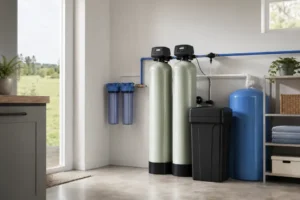
That’s why many homeowners eventually choose residential water treatment systems that address their household’s specific needs instead of relying on temporary fixes.
A properly designed system works quietly in the background every day, improving comfort without requiring constant attention.
Businesses Depend on Consistent Water Quality
Water quality matters just as much in commercial environments.
Restaurants rely on clean water for food preparation and beverage quality. Hotels want spotless glassware and comfortable guest experiences. Healthcare facilities, manufacturing operations, office buildings, schools, and laundromats all depend on reliable water to support daily operations.
Poor water quality doesn’t simply create maintenance issues—it can influence operating costs, customer satisfaction, equipment reliability, and long-term efficiency.
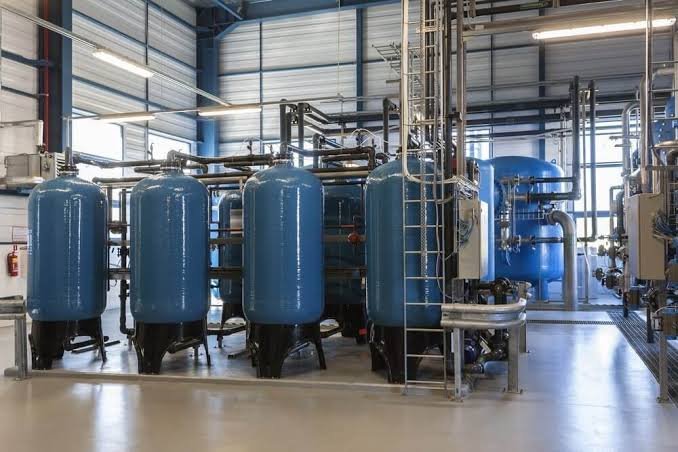
That’s why many organizations invest in commercial water treatment systems designed to meet the unique demands of larger facilities and higher water usage.
When water performs consistently, businesses often experience fewer interruptions, reduced maintenance expenses, and longer equipment life.
Better Water Protects Your Investment
Replacing water heaters, plumbing fixtures, dishwashers, boilers, or commercial equipment isn’t cheap.
Fortunately, many of these systems last significantly longer when they’re protected from excessive mineral scaling, sediment accumulation, and corrosion.
Water treatment should be viewed as preventive maintenance rather than an optional luxury.
Just as changing engine oil protects a vehicle, improving water quality helps preserve thousands of dollars’ worth of household and commercial equipment over time.
The savings may not appear immediately, but they accumulate steadily year after year.
Maintenance Keeps Everything Working Properly
Installing quality equipment is only the beginning.
Filters eventually need replacement. Softeners require proper maintenance. UV lamps have recommended service intervals. Regular inspections ensure every component continues operating at peak performance.
Fortunately, today’s treatment systems are much more user-friendly than older generations. Many include monitoring features that simplify maintenance schedules and help owners identify service needs before performance declines.
Routine care extends equipment lifespan while ensuring water quality remains consistent throughout the year.
Cleaner Water Supports Healthier Living
Although many people initially install treatment systems because of hard water or unpleasant tastes, they often discover additional benefits they hadn’t expected.
Cooking becomes more enjoyable with cleaner-tasting water. Families drink more water because it tastes fresher. Showering feels more comfortable. Cleaning products work more efficiently, reducing waste and saving money over time.
Businesses also benefit from improved sanitation, cleaner equipment, and greater confidence in the quality of water used throughout daily operations.
These aren’t dramatic overnight transformations. Instead, they’re gradual improvements that quietly become part of everyday life.
The Value of Better Water Lasts for Years
Home improvements often focus on things people can immediately see—fresh paint, remodeled kitchens, or updated landscaping. Water quality improvements are different.
Their greatest value comes from what they quietly prevent.
Less wear on appliances. Lower maintenance costs. Better-tasting beverages. Softer laundry. Cleaner plumbing. More reliable equipment. Greater comfort every single day.
Whether you’re improving a family home or managing a busy commercial property, investing in cleaner water is ultimately an investment in long-term performance, efficiency, and peace of mind.
Sometimes the smartest upgrades aren’t the most visible. They’re the ones working silently behind the scenes, making everyday life just a little easier with every glass, every shower, every meal, and every drop.