What benefit is there in checking if lightning arresters or grounding systems exist on tall buildings?

Date:

Share post:

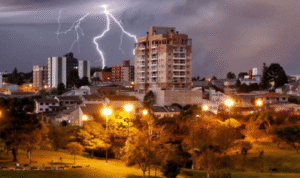
Very tall buildings are more exposed during storms. A lightning arrester and proper grounding system safely redirect high-voltage strikes away from the structure and into the earth. Without them, electrical surges can damage equipment or, in extreme cases, put people at risk.

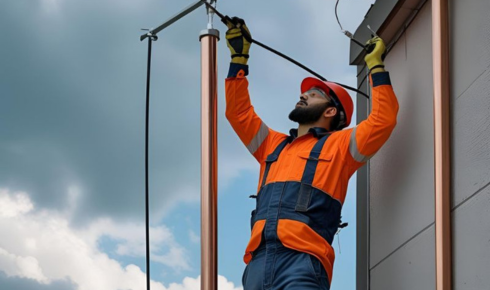
Seeing such systems in place—usually metal rods and cables leading down—suggests the builder thought about long-term safety, not just appearance. If nothing is visible, you can at least ask whether any system exists.

It’s a detail most people never consider, but if you’re living on upper floors, it’s reassuring to know nature’s high-voltage drama has a safe escape path.

Related articles

 How can confirming whether children are allowed to play on the roof highlight potential safety risks?

Some societies allow kids to go up and play on the roof; others strictly prohibit it. If the...

What benefit is there in checking if lightning arresters or grounding systems exist on tall buildings?

Very tall buildings are more exposed during storms. A lightning arrester and proper grounding system safely redirect high-voltage...

 How can looking for old patchwork spots on the roof surface reveal repeated leakage issues?

Roofs with lots of different patches—some newer cement, some old sealant, some random tiles stuck in—often tell a...

Why is it important to see whether overhead pipes on the roof are properly supported and not sagging?

Overhead pipes carry water across roofs to tanks, flats or common areas. If they’re badly supported, loosely tied,...